You’ll find on this page:
Malaysia - Australia’s sixth biggest lamb market
Malaysia - Australia’s sixth biggest lamb market
Valeska is the regional manager for south-east Australia for Meat and Livestock Australia and has a strong knowledge of the red meat market. And with Malaysia now Australia’s sixth biggest lamb market, she gives an insight into Australia’s emerging trade to that country.
What is the history of lamb exports to Malaysia. When did exports start to lift and how is Australian lamb regarded?
Australian lamb exports to Malaysia have grown steadily over the past two decades, with significant uplift occurring in the last 10 years.
Malaysia is now one of the largest sheepmeat destinations in southeast Asia, importing over 39,000 tonnes of Australian lamb and mutton in 2024 alone.
The growth has been driven by rising consumer incomes and increased demand for premium halal protein.
Australian lamb is highly regarded in Malaysia for its consistent quality, tenderness, and halal integrity. It’s seen as a premium protein, versatile and suitable for all eating occasions.
Where does Australian lamb get used in food service and by consumers, what cuts are preferred?
Foodservice is a key driver of trial and awareness, with 28 per cent of lamb consumers in Malaysia preferring to eat lamb when dining out rather than cooking it at home.
In foodservice, Australian lamb is widely used in:
High-end hotels and restaurants, particularly in Kuala Lumpur where lamb features in both local and international cuisines.
Festive and celebratory occasions, such as Ramadan, Hari Raya Aidilfitri, and Diwali, when demand for lamb spikes.
Asian buffet dining and pub restaurants, where grilled and BBQ lamb chops are gaining popularity.
Chinese restaurants, which increasingly use lamb in stir-fries, braised dishes, clay pot meals, and hot pots.
Middle Eastern style restaurants, where lamb is used in shabu-shabu, kebabs, and fusion dishes.
Can you describe some of the meals it would be used in?
Australian lamb is used in a variety of Malaysian dishes, such as:
Lamb rendang – a rich, slow-cooked curry with coconut milk and spices.
Lamb kerutuk – a festive stew with toasted coconut and aromatic herbs.
Lamb curry – often made with shoulder cuts and served with roti or rice.
Lamb kebabs – marinated and grilled.
Lamb soups and bone broths – especially popular in traditional markets.
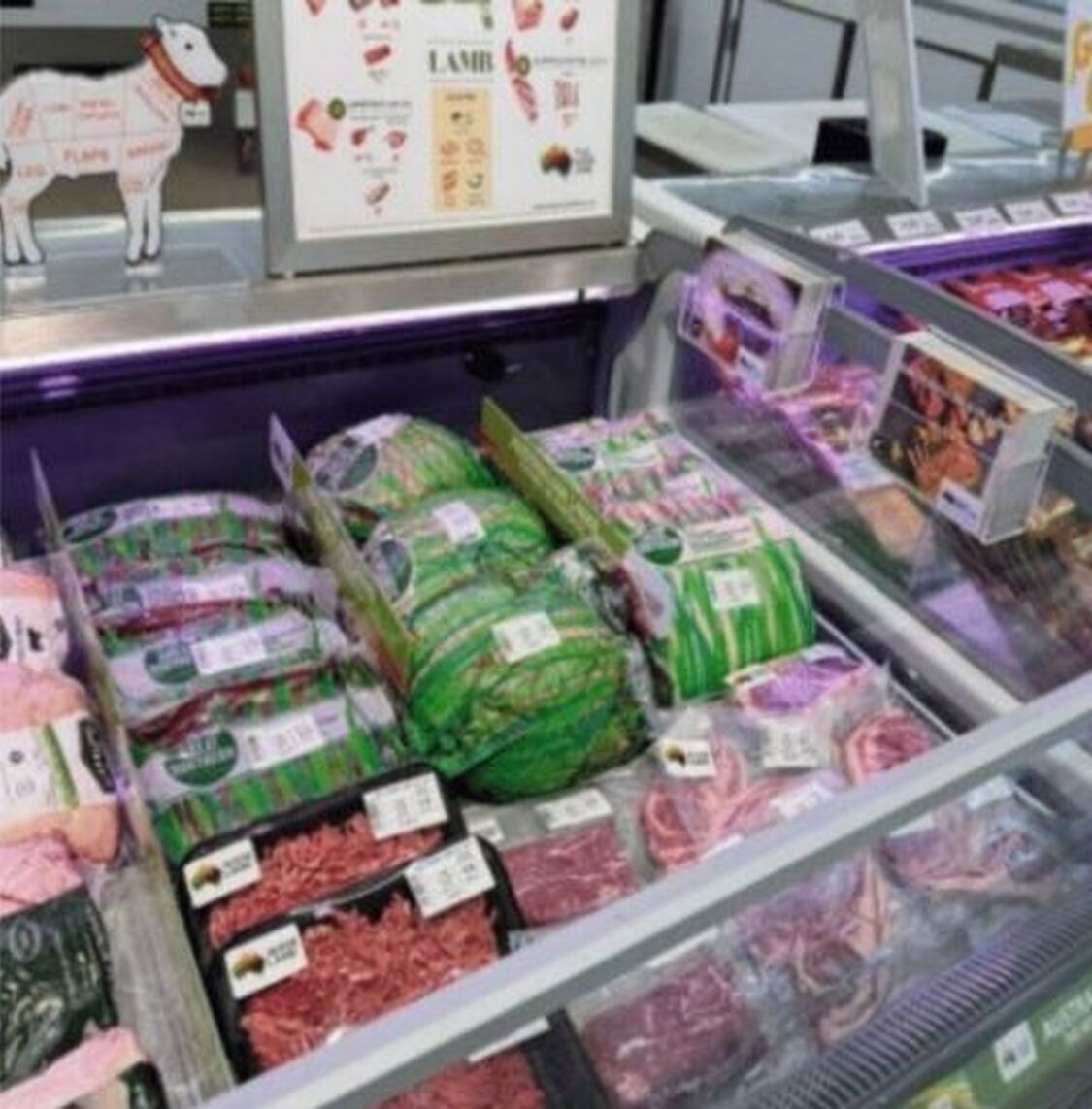
Lamb chops – marinated and grilled – suitable for everyday meal, one of the most popular items in the supermarkets
How much does Australian lamb sell for? Is it at a premium to beef, chicken or pork?
It is positioned as a premium to chicken and pork, although there are value cuts
Cuts such as lamb leg, shank and shoulder cuts are popular for everyday meals
Lamb and beef are considered more superior proteins and command a premium. For example, it is estimated that in the modern retail, lamb shoulder/leg chops (one of the most popular items) would cost around MYR 50-65/kg.
What does the average Malaysian consumer know about lamb?
Malaysian consumers are aware of lamb, though it remains a niche protein compared to chicken and beef.
Younger consumers are much more open to consuming lamb at home and out-of-home. Australia supplies around 85 per cent of sheepmeat in Malaysia and Australian lamb is highly accessible and available in modern retail and foodservice, and this consistent availability has made it easier for consumers to pick lamb for their everyday meal choice, in addition to just having lamb during special occasions.
What is the potential for Australian lamb into Malaysia and why?
Malaysia presents strong growth potential for Australian lamb. Rising incomes and a growing appetite for premium, halal-certified proteins are driving demand.
Lamb is gaining traction in foodservice, especially in hotels, restaurants, and festive dining. Consumers are exploring more diverse diets, and Australian lamb’s reputation for quality and food safety makes it a trusted choice.
With expanding retail access and evolving tastes, Australian lamb is well-positioned to become a more regular part of Malaysian meals.