Written by: Mel Croad, Senior Analyst – AgriHQ
New Zealand’s sheep industry remains in a state of decline, and our once iconic sheep-to-person ratio doesn’t have the same ring to it as it did through the 1980s.
Where once a drought could have a devastating impact on ewe numbers, it’s now changing land use patterns. This trend has intensified in recent years and unfortunately this has seen many traditional sheep breeding and finishing farms sold to forestry or carbon farming. Since 2017 there has been close to 300,000 hectares of good farmland lost to trees across New Zealand. As a result, over one million sheep have been lost from the industry. Recent Government changes to restrict wholesale conversions of farmland to exotic forestry have been welcomed but it is expected it will simply slow, not stop further farmland from being lost.
In addition, some farmers are also opting to increase the ratio of cattle on farm, further displacing sheep numbers. Consistently strong beef returns have provided the incentive needed to implement these changes.
Beef+Lamb New Zealand estimates the New Zealand breeding ewe flock as of 30 June 2025 to sit at 14.28 million head. Ten years ago, the breeding ewe flock numbered 18.89 million head. There are simply too many external barriers now to expect that New Zealand will see any sustained growth in their sheep flock.
With a declining ewe flock comes a smaller lamb crop. Industry forecasts point to a lamb crop of 19.3 million head this spring. Accounting for a small percentage of breeding replacements, it is estimated 16.7 million prime lambs will make their way to processing plants over the 2025/26 export lamb slaughter season which got underway on the 1st of October. This signals a further drop in production and therefore export supply.
The recently completed 2024/25 season saw the export lamb slaughter tally fall by over 1 million head compared to the previous season to just over 17 million lambs. The ramifications of this were a reduction in lamb exports by over 15,000 tonnes to just fewer than 290,000 tonnes.
China remains New Zealand’s largest export market for lamb, but volumes have been declining due to weaker market conditions prevailing within China. Since peaking five seasons’ ago, volumes to China are now 40% lower. While New Zealand’s reliance on China has dampened it has been replaced with a return of strong demand from traditional markets such as the European Union and the UK.
These markets once had a stronghold over New Zealand lamb exports and the surge in demand, coupled with soaring prices has been welcomed. Exports to these two markets grew by nearly 7000 tonnes last season, despite the decline in export availability. New Zealand enjoys relatively competitor-free market access to these northern hemisphere powerhouses, through favourable Free Trade Agreements.
Strong demand for New Zealand lamb has also been evident within the US market over the last twelve months. This is despite lamb imports from New Zealand facing a 15% tariff as a result of President Trump's new trade policies. While this places New Zealand lamb at a slight tariff disadvantage to Australia, exporters note it has yet to translate to a softening in demand or pricing.
Export demand has been a defining factor driving farmgate prices of New Zealand lamb over the last twelve months. Little over a year-ago, lamb prices were averaging below $8/kgCW, which at the time was still 25-30c/kg below the five-year average. Fast forward to now and they have just pushed over $11/kgCW. Much of this is connected to record high average export values with a smattering of procurement tension from processors across the country, competing to secure the lamb they need to fill orders.
The strength of export demand is also filtering down into store market returns. The first of the new season store lambs have hit the market on the North Island’s east coast. They found favour with buyers looking to take advantage of these early lambs. 30kgLW store lambs started the season at $5.80-$6/kg versus $4/kgLW last October. As the weeks have progressed and more lambs have been traded, prices for 30kgLW lambs have edged down to $5.50/kgLW. These lambs will usually be taken through to carcass weights of 20kg, with these traders then returning to the store market for another go.
Overall, the prospects for lamb remain strong. There will be some seasonal easing in farmgate returns as new season supplies start to lift from mid-November through to their standard peak in March. But AgriHQ forecasts still point to prices remaining well above average in 2026.
Despite these signals, there remains very little evidence of sheep farmers looking to increase their breeding base. This continued decline in breeding numbers is causing New Zealand to lose export scale and limiting its ability to fully capitalise on these global market opportunities.
AgriHQ is NZ's leading source of trusted, independent sheep and beef market insights, offering in-depth data and analysis from the farmgate through to global markets. The timely reports inform decisions across the entire agricultural sector. Find out more at www.agrihq.co.nz.
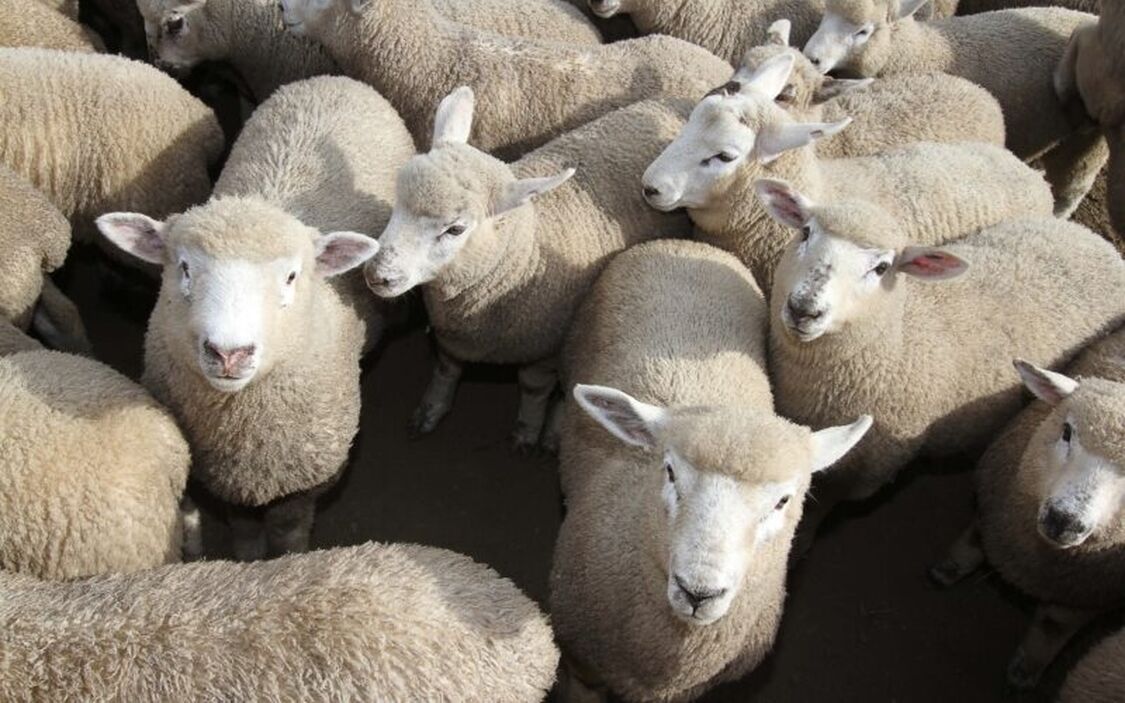
NZ New season lambs